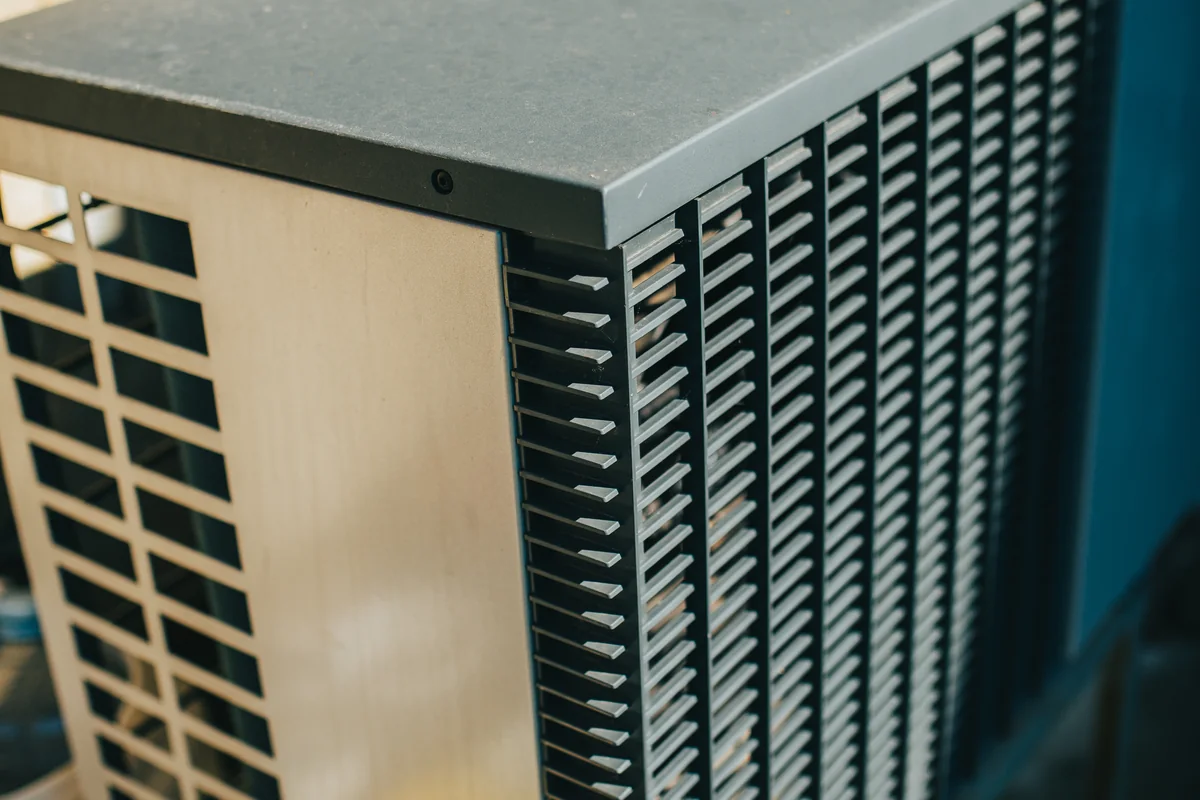
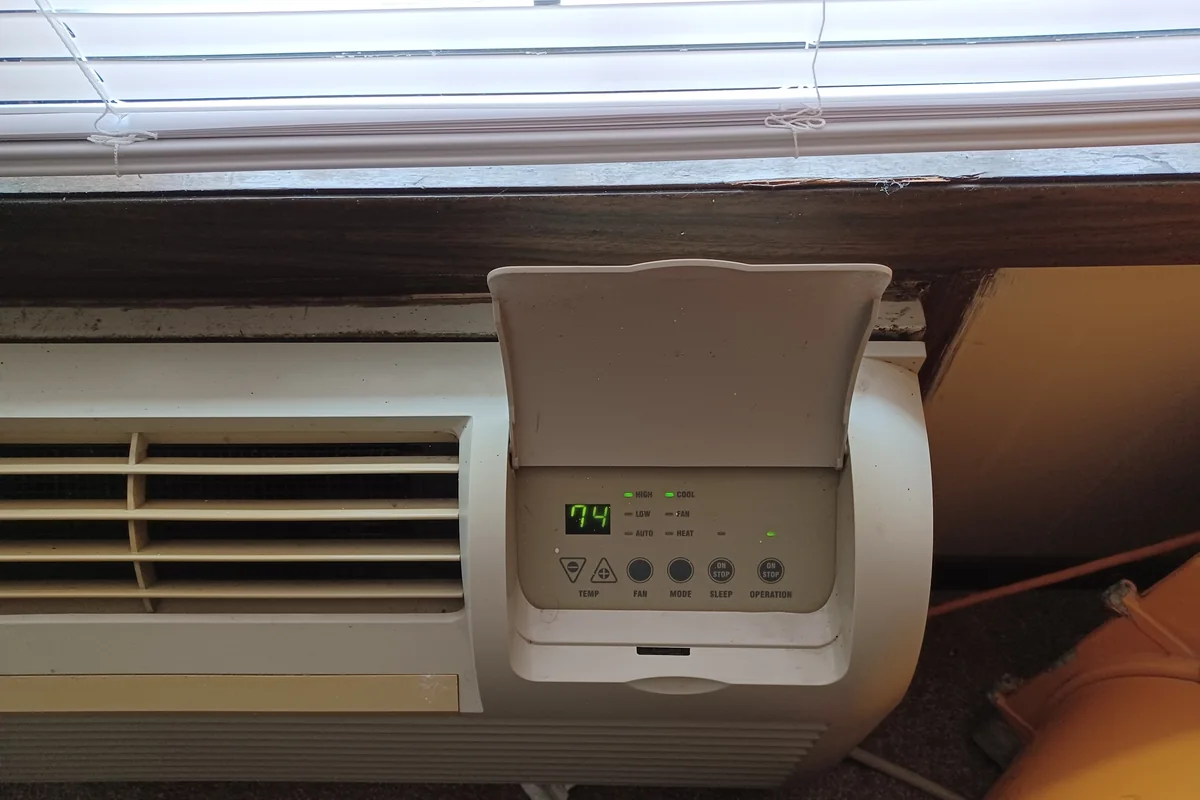
A modern residential air conditioning unit photographed outdoors on a sunny day. · Image credits
Phoenix AC Repair Resources: Verified Guides and Local Contacts
This page collects the public sources we rely on for the Phoenix AC Repair Resource. Every guide on this site links back to a primary publisher — the U.S. Department of Energy, the City of Phoenix, or the Arizona Registrar of Contractors — so you can check the underlying facts yourself before making a service decision.
Official cooling guidance from the U.S. Department of Energy
DOE’s Home Cooling page explains that fans, evaporative coolers, or heat pumps can serve as primary cooling alternatives to air conditioning. Insulation, energy-efficient windows and doors, daylighting, shading, and ventilation can keep homes cool with low energy use except in the hottest climates. Ventilation is not an effective cooling strategy in hot, humid climates — a relevant note for Phoenix’s dry heat.
Since January 1, 2023, DOE uses updated test methods and national standards with new efficiency names: SEER2 for cooling and HSPF2 for heating.
ENERGY STAR sets regional efficiency levels; Arizona falls in the hot-dry/Southwest region with California, Nevada, and New Mexico.
Example SEER2 values in that region — best available 23.5, ENERGY STAR 15.2, less efficient 13.4 — are model-specific examples, not universal ratings.
The yellow EnergyGuide label shows the SEER rating on these products.
Installation should follow the ANSI/ACCA-2015 HVAC Quality Installation Specification; oversizing, improper charging, and leaky ducts cause efficiency losses, discomfort, and shortened equipment life.
The Clean Air Act requires certified technicians to recover HCFC refrigerants on-site when retiring models that contain them.
DOE’s FEMP guidance includes a calculated example: an ENERGY STAR-qualified unit pays off if priced no more than $869 (2023 dollars) above a less efficient model in hot-dry/Southwest states, and the best available model saves up to $3,154 over 25 years. These are attributed, model-specific examples — not guarantees or local quotes.
City of Phoenix heat safety and renter protections
Phoenix requires landlords to maintain a maximum of 82°F for units with air conditioning, or 86°F for units with evaporative coolers.
The city investigates complaints; call 602-262-7210.
The Heat Relief Network offers free water and indoor cooling locations; parks, recreation centers, senior centers, and city buildings act as hydration stations.
Phoenix’s Human Services Department Landlord and Tenant Program educates renters with AC problems about their rights under the Arizona Residential Landlord and Tenant Act (same phone number).
These are municipal requirements cited from the City of Phoenix, not legal advice. For the city’s broader services, see the official City of Phoenix website.
Contractor verification through the Arizona Registrar of Contractors
The Arizona Registrar of Contractors (AZ ROC) has licensed and regulated contractors since 1931 and currently oversees more than 60,000 residential and commercial contractors. AZ ROC investigates and works to resolve complaints against licensed contractors and unlicensed entities, and its mission is to protect public health, safety, and welfare through a regulatory system promoting quality construction.
Before hiring anyone for AC work, use ROC’s contractor search and license verification. ROC warns: “Anyone can pretend to be a contractor. Check the license.” ROC’s office is at 1700 W. Washington St. Suite 105, Phoenix, AZ 85007; phone (602) 542-1525 or 1-877-692-9762. Arizona Revised Statutes section 32-4302 also grants a license to a person licensed or certified in another state for at least twelve months in the same discipline and practice level, subject to conditions.
Contact the publisher
This resource is published by NovCog / NovelCognition, principal Guerin Green. For corrections, source questions, or feedback about this site, email Guerin@novcog.com. We are an independent information resource; we do not provide contractor services or emergency dispatch. See our contact page and credits for details.
An outdoor air conditioning unit installed in a residential garden setting, illustrating typical placement. · Shixart1985 · CC BY 2.0A packaged terminal air conditioner installed in a residential apartment, representing a common through-wall system. · Central Avenue · CC BY 4.0