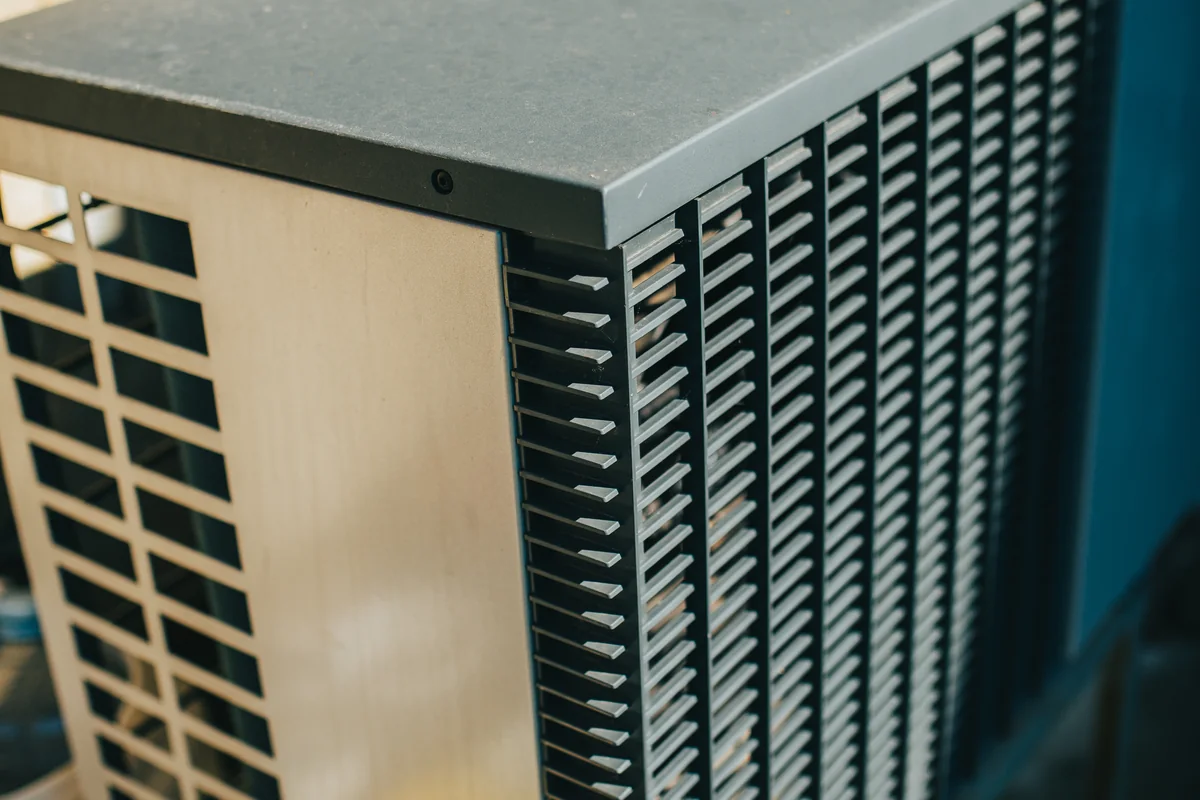
A modern residential air conditioning unit photographed outdoors on a sunny day.
A modern residential air conditioning unit photographed outdoors on a sunny day. · Image credits

Phoenix AC Repair Resource: Choose Your Cooling Service with Better Information

Phoenix AC Repair Resource is an independent, Phoenix-specific guide to selecting air-conditioning service, repair, and replacement providers. We do not sell repairs, dispatch technicians, or claim emergency availability. Instead, we help you ask the right questions, compare estimates on your own terms, and understand the municipal and state rules that protect you as a homeowner or renter in Maricopa County.

This site is published by NovCog / NovelCognition and maintained by principal Guerin Green. It is a consumer-information resource, not a contractor directory, lead-generation service, or licensed HVAC provider. Every claim below is drawn from the cited public sources; where facts are not available, we say so rather than guess.

Substantive Guides for Phoenix Cooling Decisions

Repair or Replace: A Decision Framework

Before you accept a recommendation to replace your central air conditioner, work through the factors that actually matter: equipment age, refrigerant type, installation quality, and the efficiency ratings on the yellow EnergyGuide label. The U.S. Department of Energy notes that since January 1, 2023, updated test methods introduced SEER2 (cooling) and HSPF2 (heating) rating names under federal standards. In hot-dry/Southwest states like Arizona, ENERGY STAR sets regional efficiency levels; example SEER2 values from DOE's Federal Energy Management Program include a best-available model at 23.5, an ENERGY STAR model at 15.2, and a less-efficient model at 13.4 — model-specific figures, not universal guarantees.

Read the repair-or-replace guide

Estimate Comparison Worksheet

Compare contractor proposals side by side with a private, browser-only worksheet. The worksheet asks non-invasive questions about equipment, labor, refrigerant handling, and installation practices — worksheet entries are not sent to a server. You keep the numbers local to your own device. The worksheet is an interactive browser worksheet; the controls provide comparison, local download, and resetting. No default market prices are invented, and no diagnosis is offered.

Open the estimate worksheet

Service Questions to Ask Before Hiring

Use a practical question list built from public guidance. DOE's FEMP guidance says installation should follow the ANSI/ACCA-2015 HVAC Quality Installation Specification, and that oversizing, improper charging, and leaky ducts cause efficiency losses, discomfort, and shortened equipment life. The Clean Air Act requires certified technicians to recover HCFC refrigerants on-site when retiring models that contain them. Ask your provider how they address each of these points in writing.

See the service question list

Phoenix-Specific Resources

Phoenix has its own heat-safety rules. The City of Phoenix requires landlords to maintain a maximum of 82°F for units with air conditioning, or 86°F for units with evaporative coolers, and the city investigates complaints at 602-262-7210. The Heat Relief Network offers free water and indoor cooling locations. For contractor verification, the Arizona Registrar of Contractors (AZ ROC) provides license search and warns: "Anyone can pretend to be a contractor. Check the license."

Explore Phoenix resources

Why This Resource Exists

Phoenix summers put real strain on cooling systems, and homeowners and renters often face pressure to make fast, expensive decisions. This site exists to slow that process down with verifiable facts. We do not invent contractor availability, emergency service claims, or savings guarantees. Where DOE publishes model-specific payoff examples — such as an ENERGY STAR-qualified central air conditioner paying off if priced no more than $869 (2023 dollars) above a less-efficient model in hot-dry/Southwest states, with the best available model saving up to $3,154 over 25 years — we attribute those figures to DOE and present them as illustrative, not as a local quote.

Cooling alternatives worth knowing: The U.S. Department of Energy notes that fans, evaporative coolers, or heat pumps can serve as primary cooling alternatives to air conditioning, and that insulation, energy-efficient windows and doors, daylighting, shading, and ventilation can keep homes cool with low energy use — except in the hottest climates. Ventilation is not an effective cooling strategy in hot, humid climates. Phoenix's dry heat makes evaporative cooling a relevant option for some homes, but system choice depends on your specific house, budget, and comfort needs.

About the Publisher and Contact

Phoenix AC Repair Resource is published by NovCog / NovelCognition, with principal Guerin Green. The publisher is separate from any HVAC provider; we do not perform repairs, sell equipment, or dispatch technicians. For questions about this site's content, corrections, or source verification, contact Guerin@novcog.com. This contact address is for publisher correspondence only and is not a customer-service line for contractors.

No legal or clinical professional approval is claimed or implied. Landlord/renter temperature figures are cited from the City of Phoenix as municipal requirements, not as legal advice.

Primary Sources

This page relies on the following verified public sources:

Full claim-level citations appear on the credits page.

An outdoor air conditioning unit installed in a residential garden setting, illustrating typical placement.
An outdoor air conditioning unit installed in a residential garden setting, illustrating typical placement. · Shixart1985 · CC BY 2.0
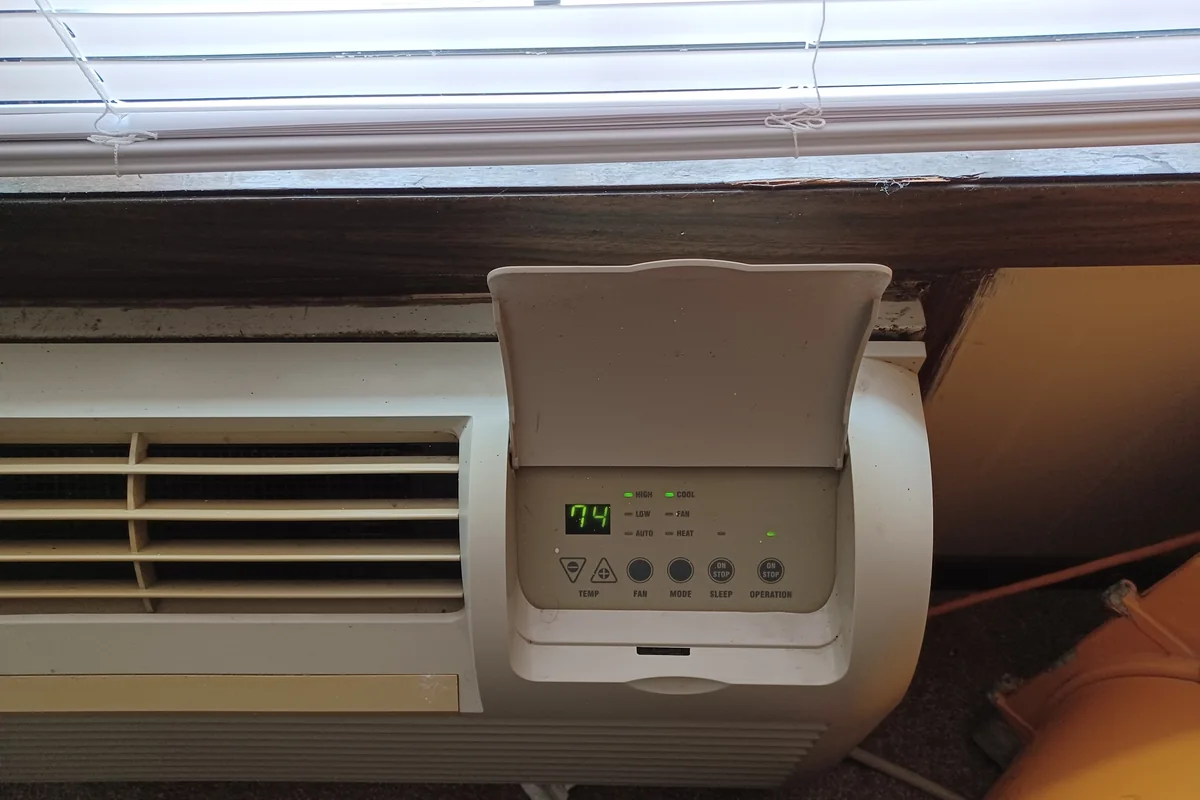
A packaged terminal air conditioner installed in a residential apartment, representing a common through-wall system.
A packaged terminal air conditioner installed in a residential apartment, representing a common through-wall system. · Central Avenue · CC BY 4.0